



Only for trekking bikes
E-bikes
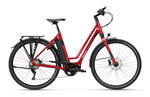
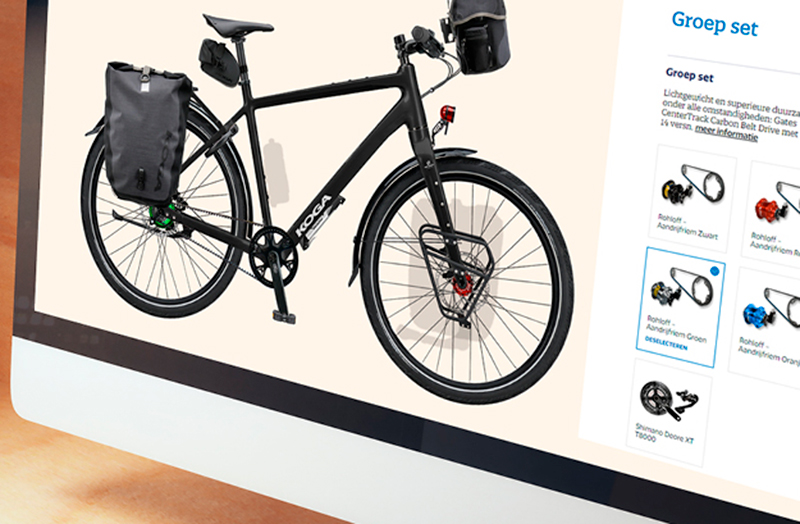
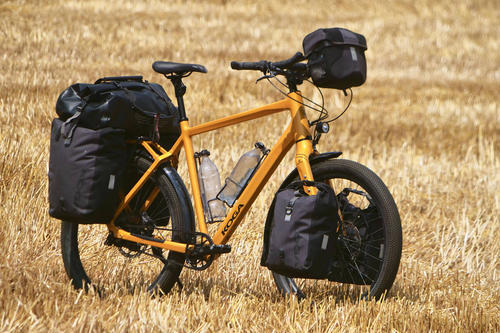
Compose your trekking bike based on your needs. Choose the frame, (electric) drive, brakes, wheels, saddle, handlebars, lighting and accessories.
In short, you can completely compose the Worldtraveller-S yourself by means of. of the online configurator. If you are not quite sure, one of the KOGA Signature experts at the in one of the sales points can help you put it together.
Within the Signature range you can choose from the E-WorldTraveller-S or the WorldTraveller-S. Which choice is best for you depends on what you will use your bike for.
One mechanic
Your bike is hand built by one certified mechanic in our factory in Heerenveen. One person builds one bicycle so that he can give care and attention to your bicycle and guarantee quality and durability.
Delivery
After ordering your KOGA Signature bike, we will start working on your order. Your bike will be assembled by one of our specialised KOGA Signature Master mechanics. We maintain a minimum delivery time of 12 weeks and you will be notified when your bike is shipped.
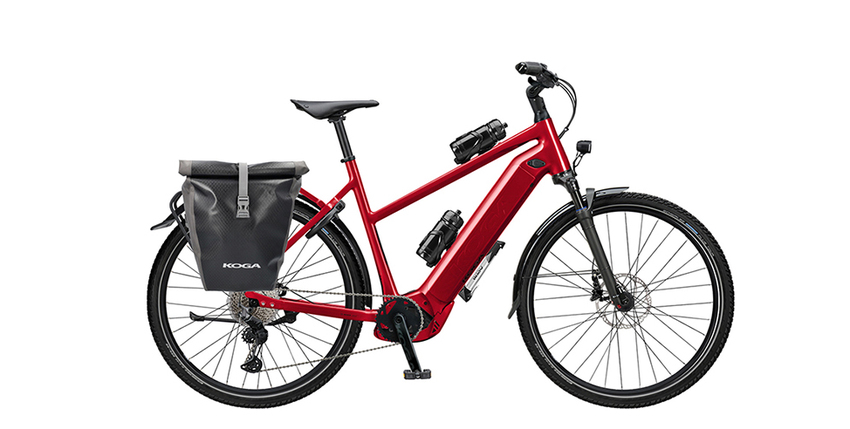
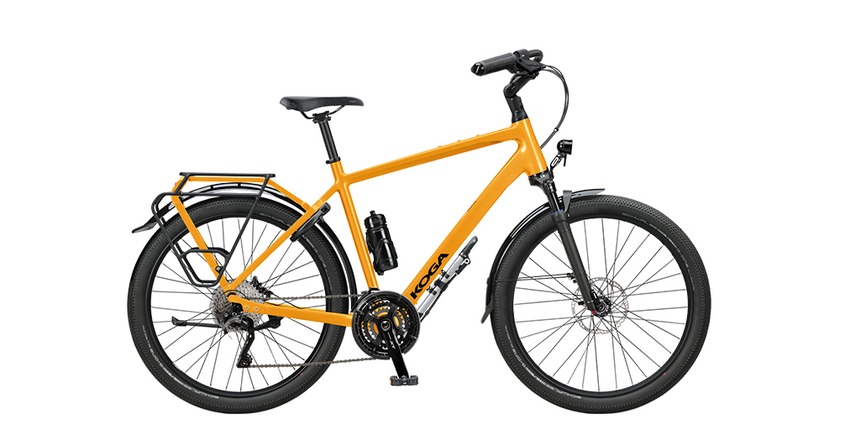
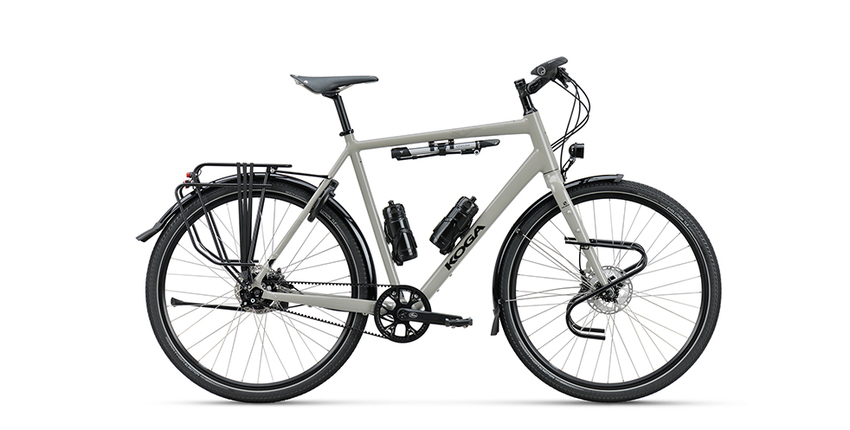
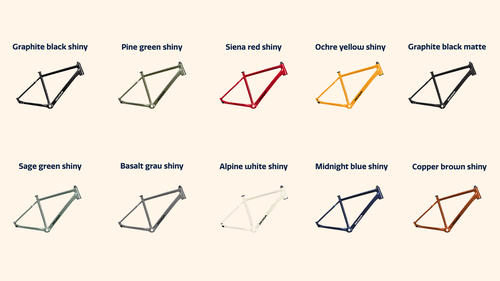
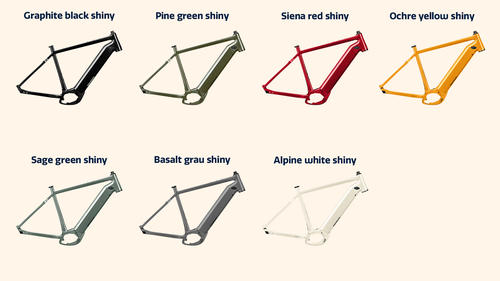
Choice of colours
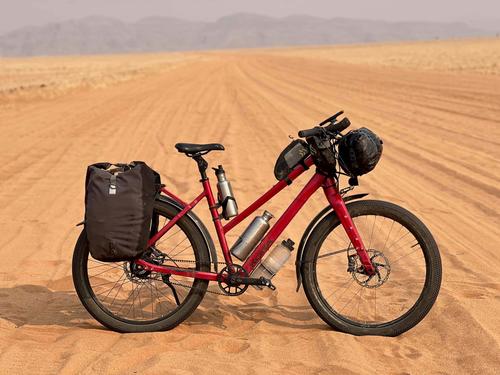
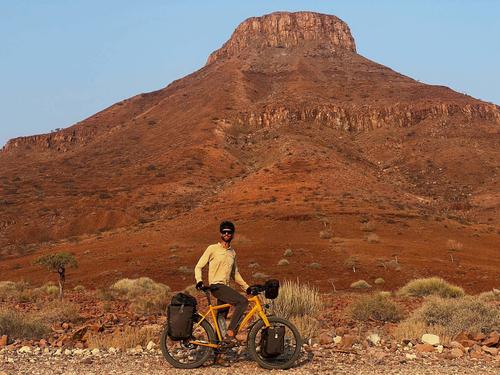
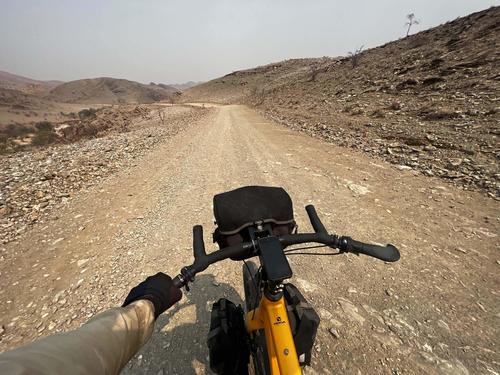
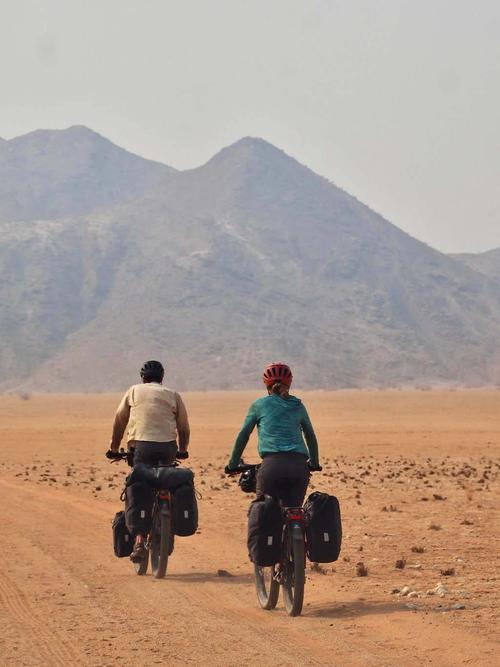
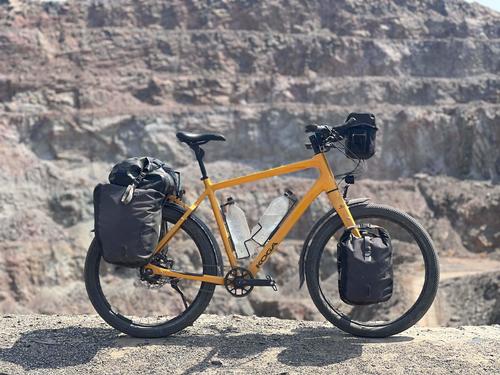
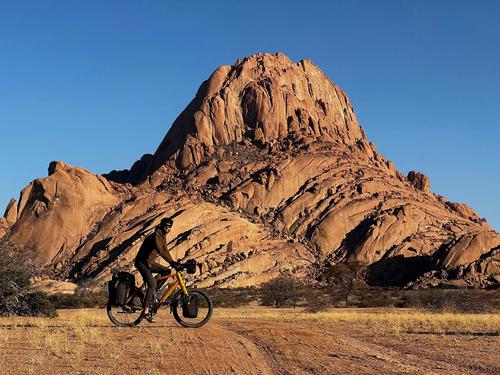
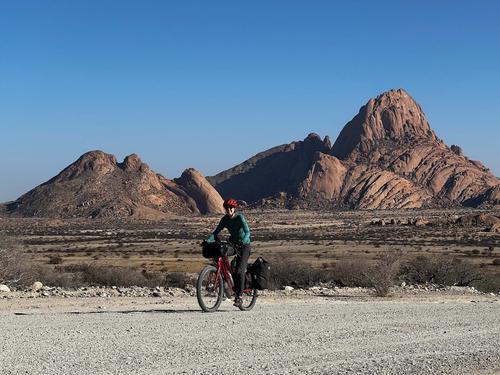
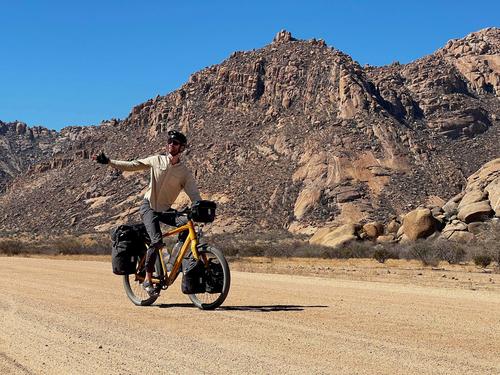
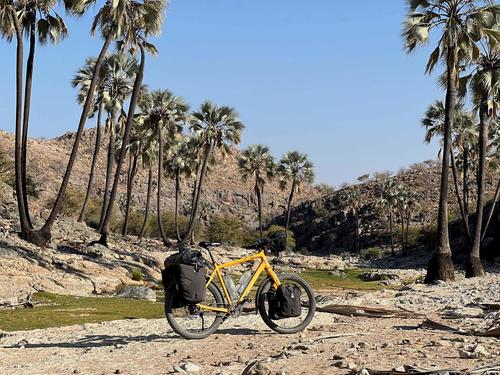
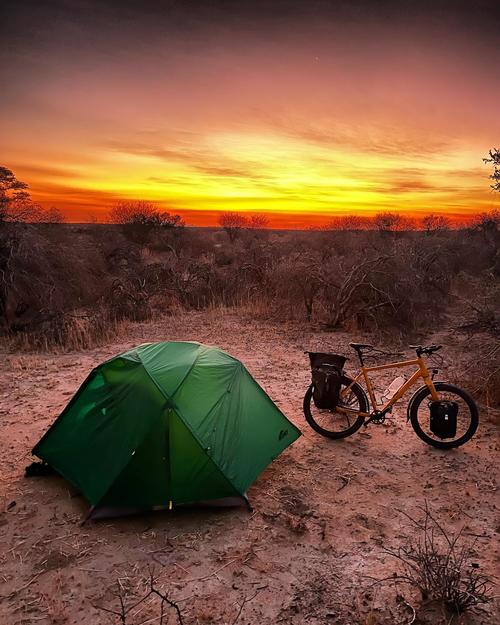
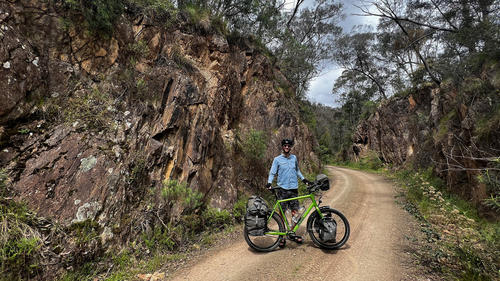
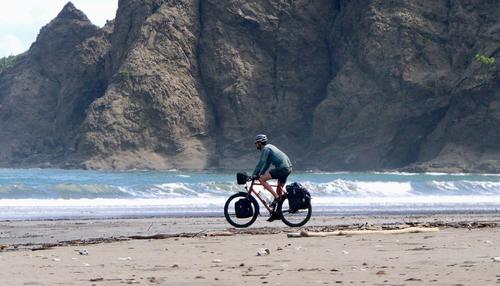
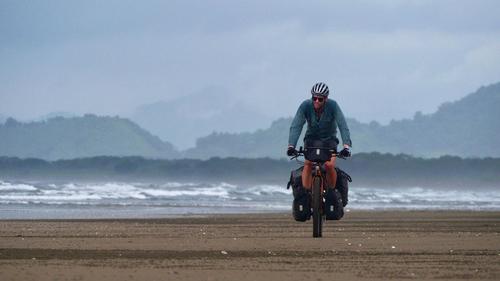
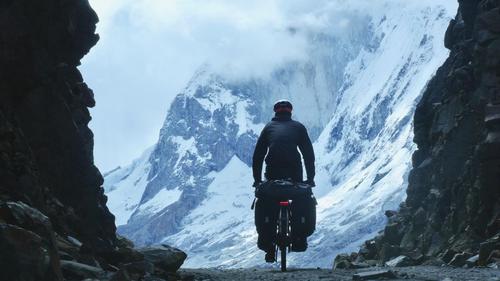
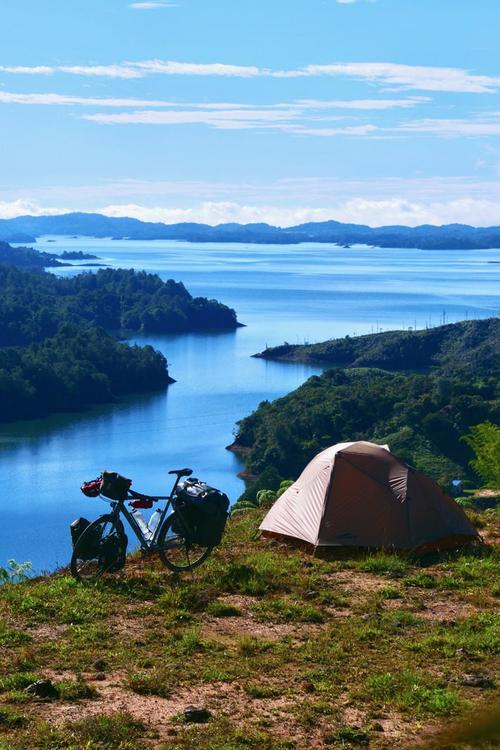
Proven for years by Alee Denham
Choice of Shimano Deore XT groupset or Rohloff drive belt
Can be loaded to as much as 120kg
Equipped with high-quality components
Delivery time: min. 12 weeks
Besides KOGA Signature, we also have standard collection models of the KOGA WorldTraveller, Want to know more about the KOGA WorldTravellers? Then read more on the WorldTraveller page.
For your new WorldTraveller-S, you can choose from the best technologies. You can select these when you put your bike together. But how do you make the choices?
Want to know more about the Rohloff gear hub? Then read on here >
Want to know more about the Bosch Smart System? Then read on here >
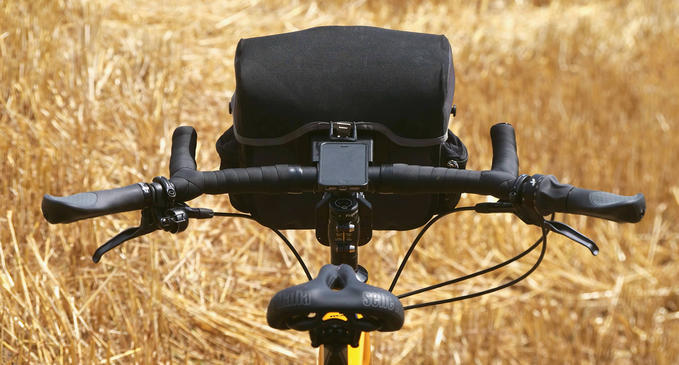
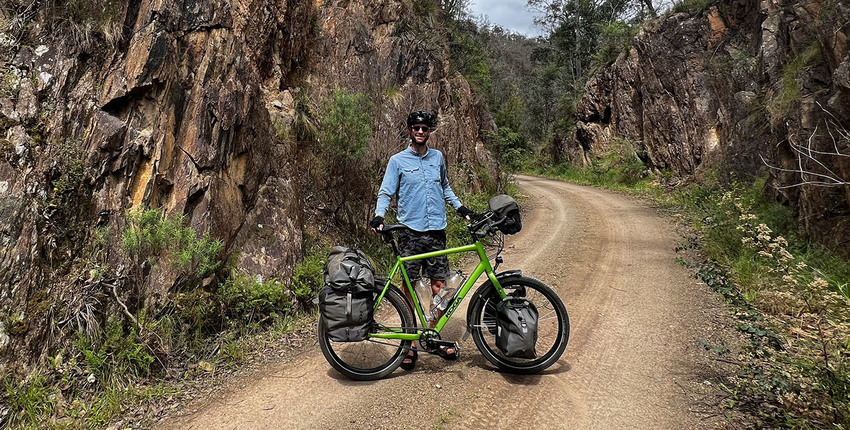
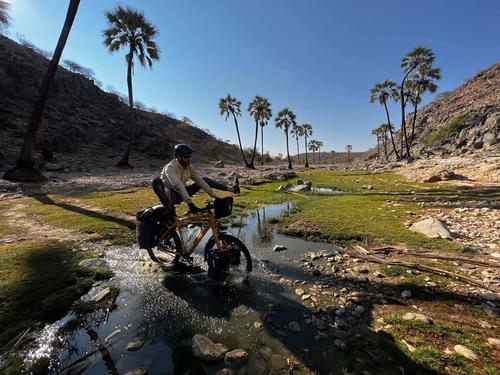
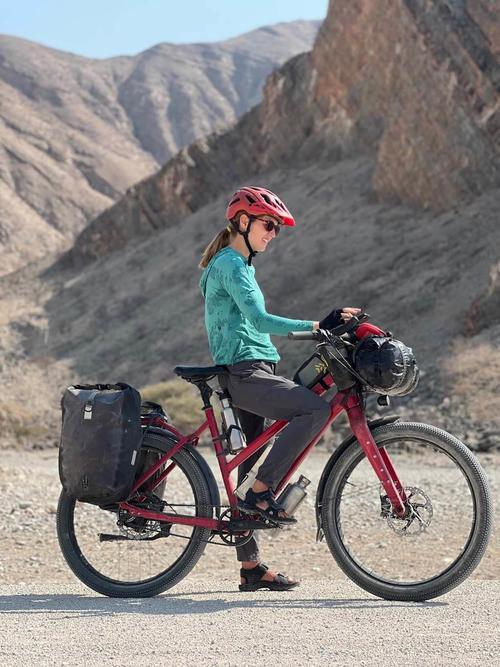
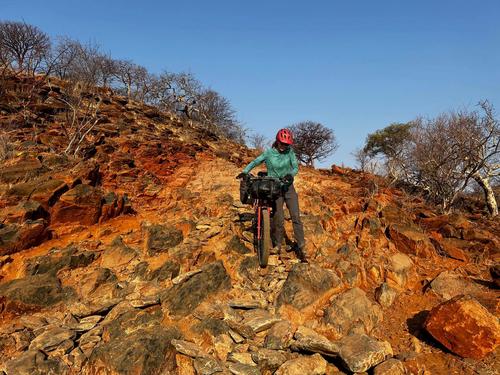
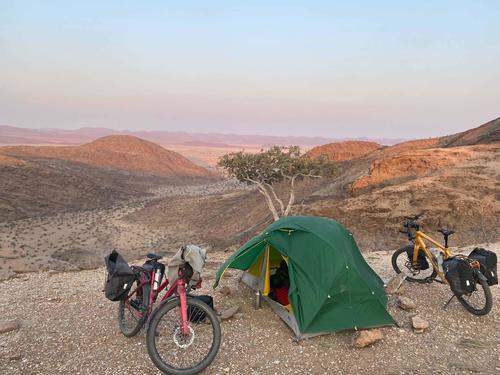
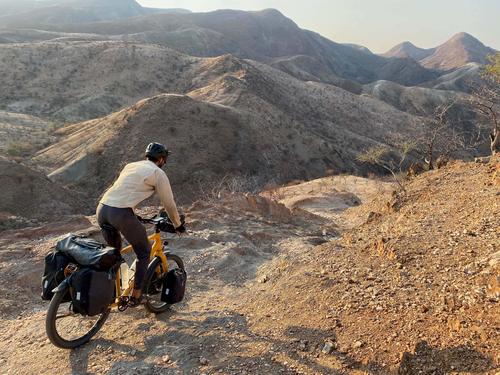
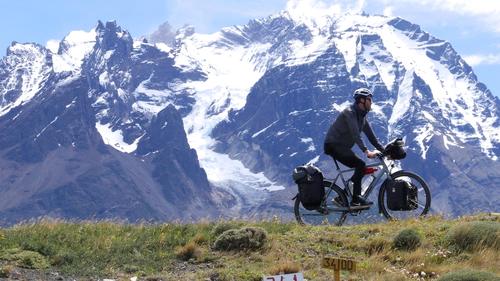
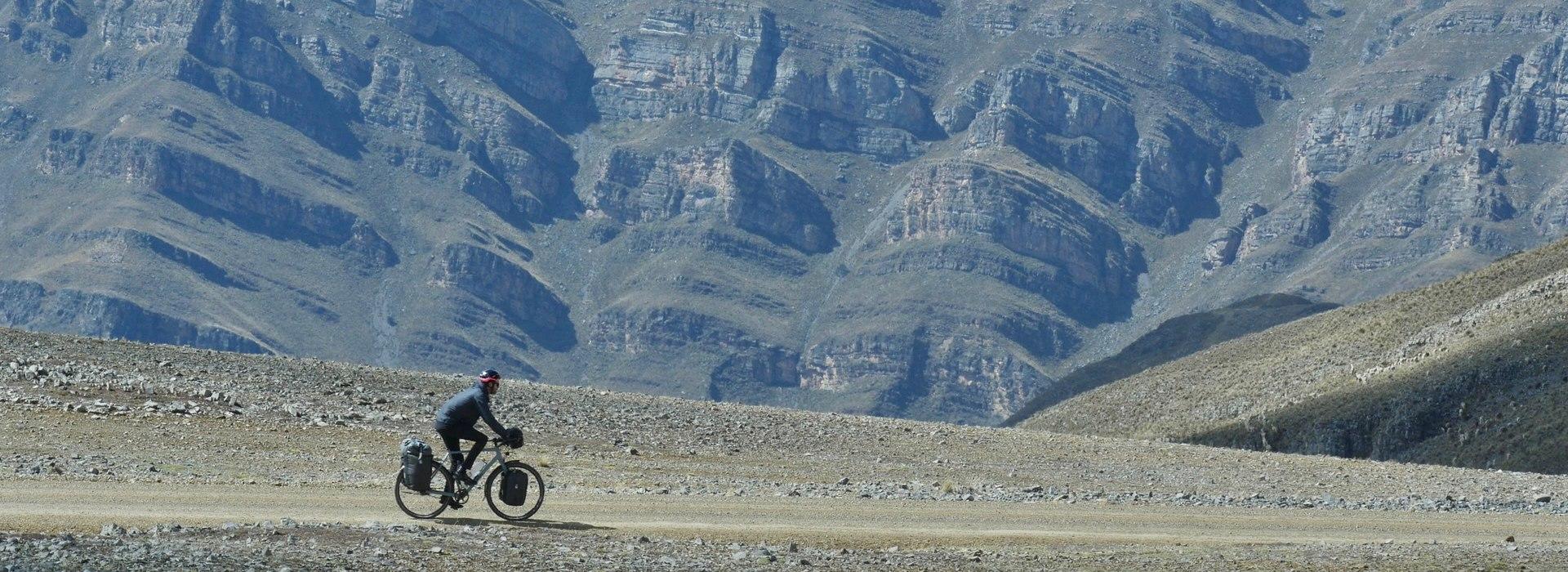
Alee Denham is an Australian cycling enthusiast who discovers the whole world on his KOGA Signature WorldTraveller. From his deep-rooted love for trekking bikes, he started a blog that slowly grew into one of the most respected cycling and travel blogs in the world.
Would you like to know more about Alee Denham?

Download the KOGA Signature terms and conditions >
Please note. These terms and conditions are only valid when you order directly from KOGA. This applies in particular to customers outside the EU zone.
If the purchase of a KOGA Signature is made via a KOGA dealer, the terms and conditions of the respective dealer apply.
Only authorised dealers are allowed to sell KOGA bikes on their webshop. This way, the manufacturer’s warranty will also be valid on online orders.
You can create a Koga Signature bike yourself easily online through this website or by using the KOGA Signature column at your dealer. After a non binding reservation, the specification will be checked by the dealer and with your final approval entered into production. The bike is then completely hand built by one of our skilled technicians in Heerenveen. Your bike will then be delivered to your chosen dealer.
To explain about determing the right frame size we have written this article >
The vast majority of our collection can only be ordered through one of our affiliated KOGA stores. Our stores are located in the Netherlands, Belgium, Germany, Denmark, Switzerland, Poland and Austria. Click here to go to the map with stores >
Through us, it is therefore not possible to have a KOGA bicycle delivered to a country other than the countries listed above. Perhaps one of the stores can. Please contact a store for that.
The KOGA Signature bikes, on the other hand, can be delivered to almost every country (except the USA and Russia). Click here to read more about KOGA Signature >
KOGA aims to deliver your bike to the dealer within twelve weeks. In exceptional cases, the delivery time can be longer. Your dealer will of course be informed should there be delays.

 Worldtraveller Signature
 E-Worldtraveller Signature